This week, the astronomy class continued our journey through the universe by beginning to explore one of the biggest questions in space science: could there be life beyond Earth? The students started the week by researching the habitability of planets throughout our galaxy and investigating the conditions that make a planet more likely to support life. After completing their independent research, we came back together as a class to create models that represented what life on other planets might look like based on the environments they discovered. This activity was a great opportunity for students to think creatively while applying what they learned about planetary conditions, and it connected perfectly with our previous discussions about planet orbit patterns, different types of planets, and the variety of stars found throughout the universe.
Last week, students also had the opportunity to experience what real-world astronomical research looks like. During a study hall presentation, Maxx Haehn, an Observatory Education Scientist, shared about his work and the process behind studying objects in space. Students even had the chance to capture their own images of the Cigar Galaxy, giving them a small glimpse into the type of observations and research that astronomers conduct.
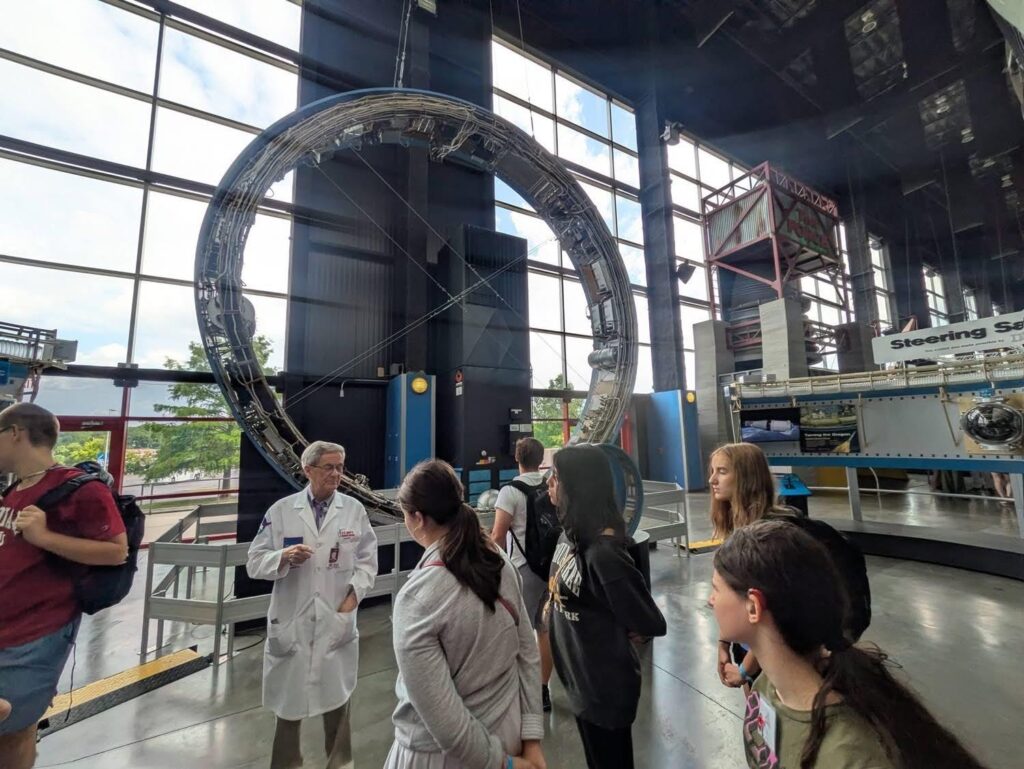
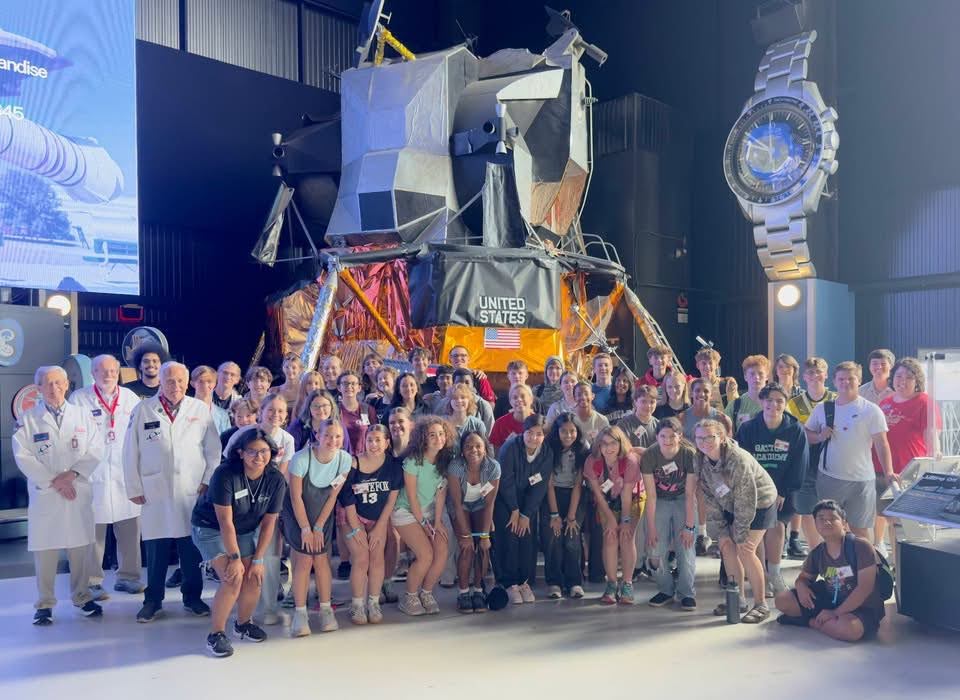
Our astronomy class, along with other science classes, had the opportunity to take our learning outside of the classroom with a trip to Huntsville, Alabama, to visit the U.S. Space & Rocket Center. While there, students explored the history of space exploration, learned about major milestones in NASA’s missions, and heard from individuals who have worked or are currently working in the space industry. This experience allowed students to see how the ideas and concepts we discuss in class connect to real careers and highlighted the wide variety of opportunities available through organizations like NASA.
During the visit, students attended a planetarium show that took them on a journey through our solar system, highlighting each planet and sharing unique facts about their environments, structures, and histories. Following the guided tour and planetarium experience, students had time to explore the museum exhibits and gift shop before heading back for dinner and evening activities.
As we continue our exploration of space, students will have the opportunity to dive even deeper into astronomy through hands-on experiences. In the coming days, we will build our own telescopes, attend additional planetarium shows, and investigate more about the history and formation of our solar system.
We are excited to continue discovering the mysteries of the universe and look forward to all the learning, questions, and discoveries still ahead!